

Chemical Powder Processing Solutions
Reliable powder processing systems engineered for chemical applications -- pigments, additives, resins, fine chemicals, and industrial powders -- built for continuous operation, safety, and long-term performance.
Chemical Material Applications
Yinda systems are designed to handle a broad range of chemical powders across diverse industrial sectors.
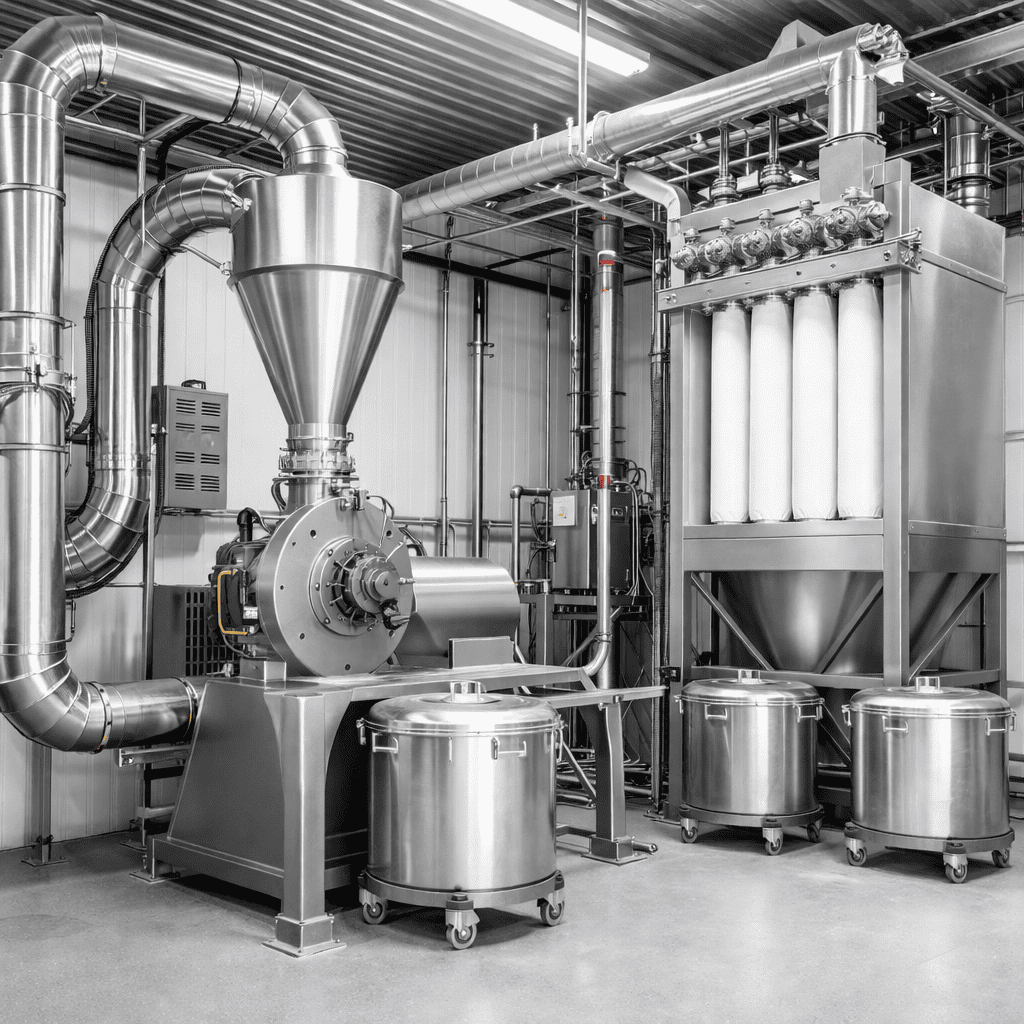
Robust Construction
Engineered for continuous chemical production
Stable Grinding Performance Under Continuous Operation
Yinda powder processing systems are built with robust construction and optimized internal structures to deliver consistent grinding performance, controlled particle size distribution, and long service life -- even under demanding continuous chemical production conditions.
Controlled Particle Size Distribution
Precise classification and screening ensure consistent final product quality batch after batch, critical for chemical formulation accuracy.
Long Service Life
Wear-resistant components and corrosion-resistant materials are selected based on the specific abrasiveness and chemical properties of your material.
Optimized Internal Structure
Smooth internal surfaces minimize material retention, reduce contamination risk, and improve overall processing efficiency.
Integrated Safety for Sensitive & Reactive Materials
For chemical materials that are flammable, reactive, or hazardous, Yinda offers optional safety-focused configurations to ensure compliant and stable production.
Explosion-Proof Design
Optional ATEX-compatible explosion-proof motors, electrical components, and enclosures for combustible dust environments. Must be evaluated as a dedicated safety engineering project.
Combustible pigments, organic powders, resin dusts
Dust Collection Systems
Integrated cyclone separators and pulse-jet bag filter systems capture fine chemical dust, protect operators, maintain workplace air quality, and improve material recovery rates.
Fine chemical powders, pigments, mineral additives
Sealed Conveying Systems
Fully enclosed material transfer between processing stages minimizes dust exposure, prevents cross-contamination, and maintains process integrity for reactive or toxic chemical powders.
Reactive chemicals, toxic powders, high-value materials
Important: Applications involving combustible dust, explosive risk, or toxic chemical exposure must be evaluated as independent safety engineering projects. Yinda's engineering team will work with you to define the appropriate safety scope before equipment selection.
Reduced Downtime When Switching Between Chemical Materials
Chemical production often involves multiple materials or formulations. Yinda equipment is designed for fast, thorough cleaning and straightforward maintenance to minimize production interruptions.
Smooth Internal Surfaces
Reduce material retention and buildup, making cleaning faster and more complete between product changeovers.
Easy Wear Part Replacement
Grinding elements, screens, and seals are designed for quick access and replacement to minimize maintenance downtime.
Corrosion-Resistant Materials
SS304 or SS316L contact parts available to withstand chemical environments and extend equipment service life.
Improved Overall Efficiency
Optimized material flow paths and reduced dead zones improve throughput and lower material loss per production cycle.
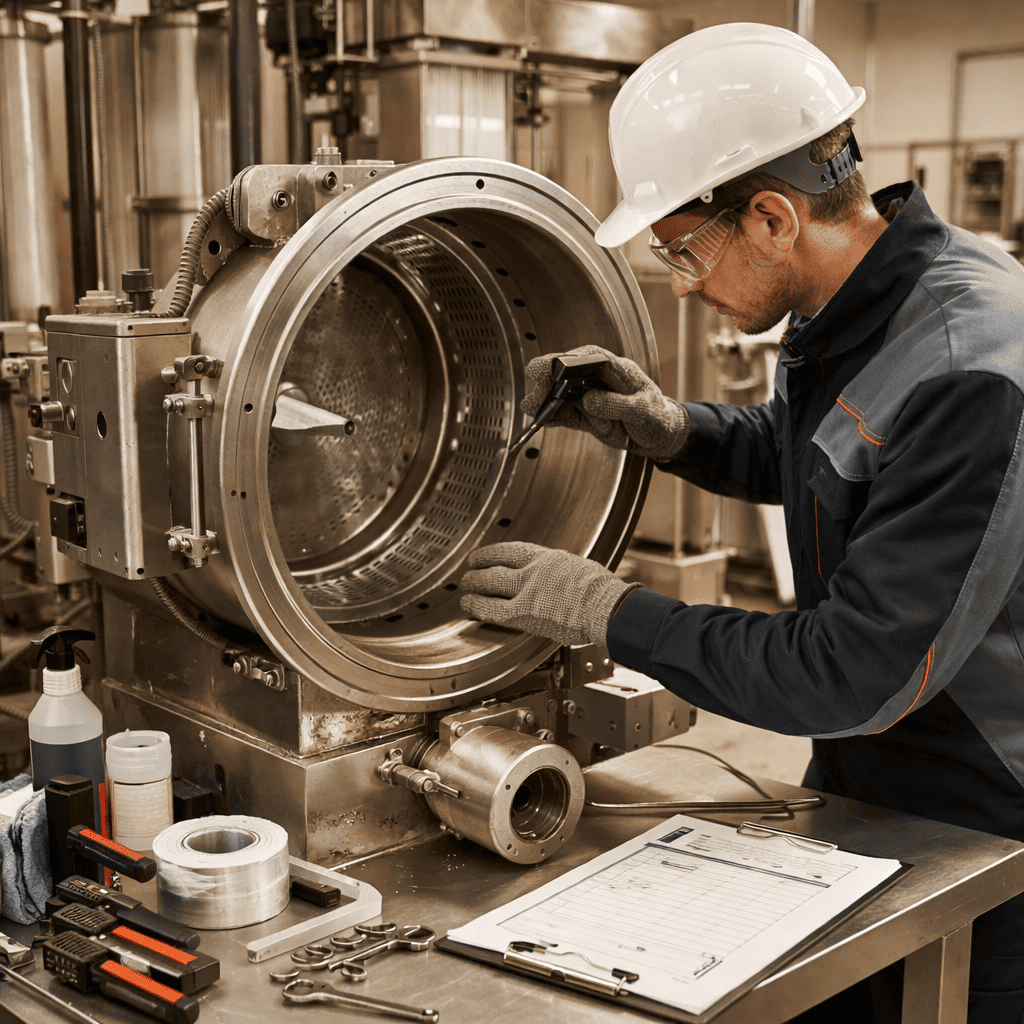
Less Downtime
Faster changeovers between different chemical materials
Typical Chemical Powder Processing Line
A representative process flow for chemical powder production. Actual configuration is determined by your specific material properties, output requirements, and safety classification.
* Actual process flow depends on material properties, target particle size, safety requirements, and production scale. Yinda engineers will recommend the appropriate configuration.
Equipment for Chemical Powder Processing
Core equipment used in chemical powder processing lines. Each machine can be configured to match your specific material, safety, and production requirements.

Hammer Mill
High-speed impact grinding for dry, brittle chemical powders. Screen-controlled particle size with cyclone and dust collection integration.
- Resins, additives, chemical intermediates
- Medium hardness, dry materials
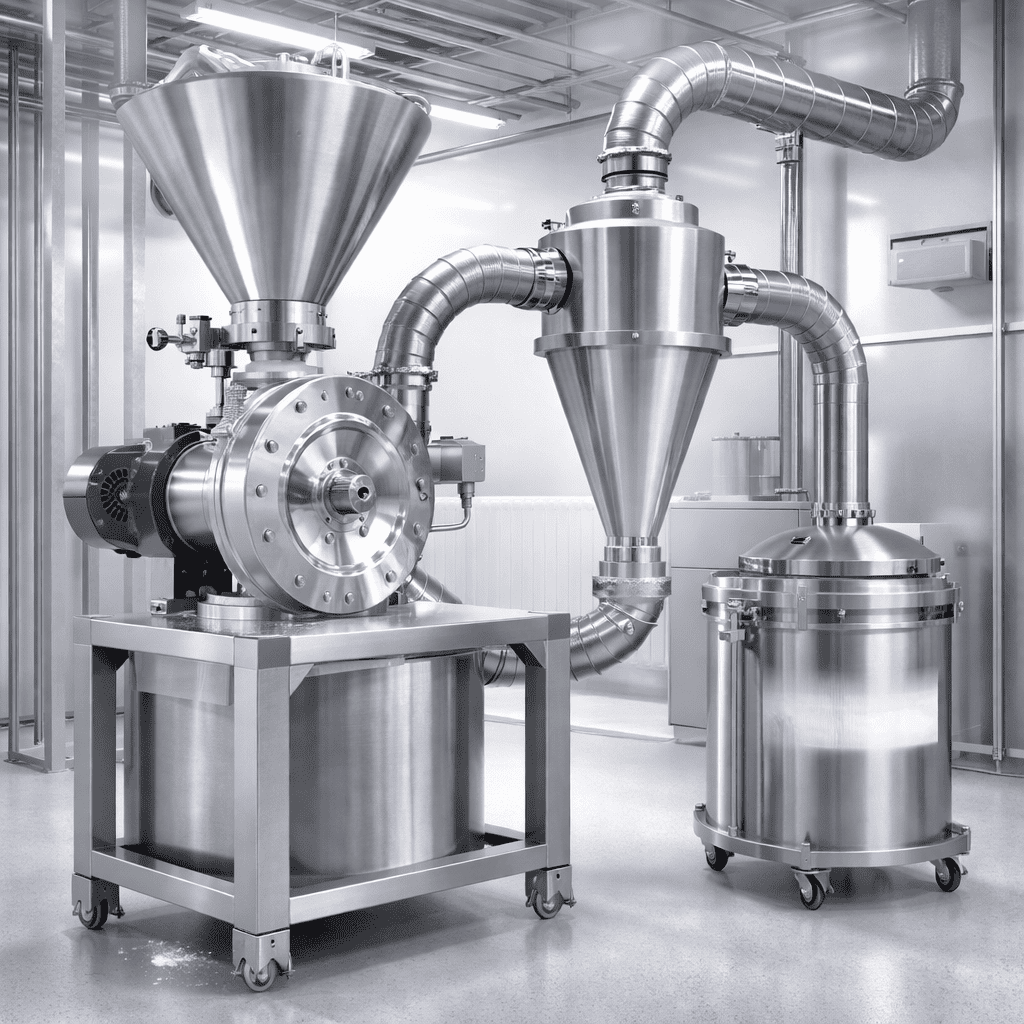
Pin Mill
Uniform medium-to-fine grinding for crystalline and brittle chemical powders with high material recovery rates.
- Pigments, salts, fine chemical powders
- Crystalline, brittle materials

Air Classifier Mill
Integrated grinding and classification for fine and ultra-fine chemical powders with narrow, adjustable particle size distribution.
- Fine chemicals, pigments, mineral powders
- Requires D50/D90 control

Vibrating Screen
Removes oversize particles and foreign material, ensuring consistent product quality and protecting downstream equipment.
- Post-grinding classification
- Pre-packaging quality check
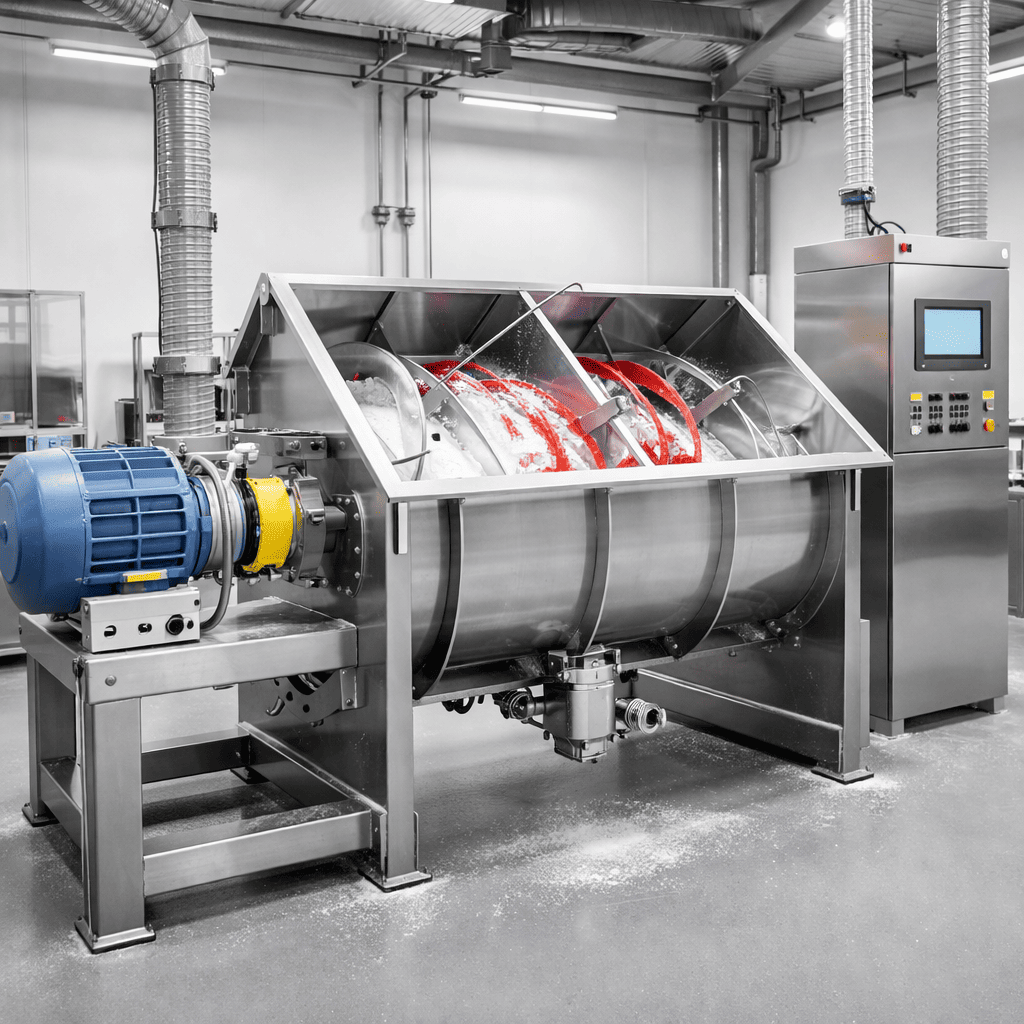
Ribbon Blender
Efficient convective mixing for medium to large chemical powder batches. Configurable with liquid spray, heating/cooling jacket, and sealed discharge.
- Dry chemical powders, industrial blends
- Multi-component formulations
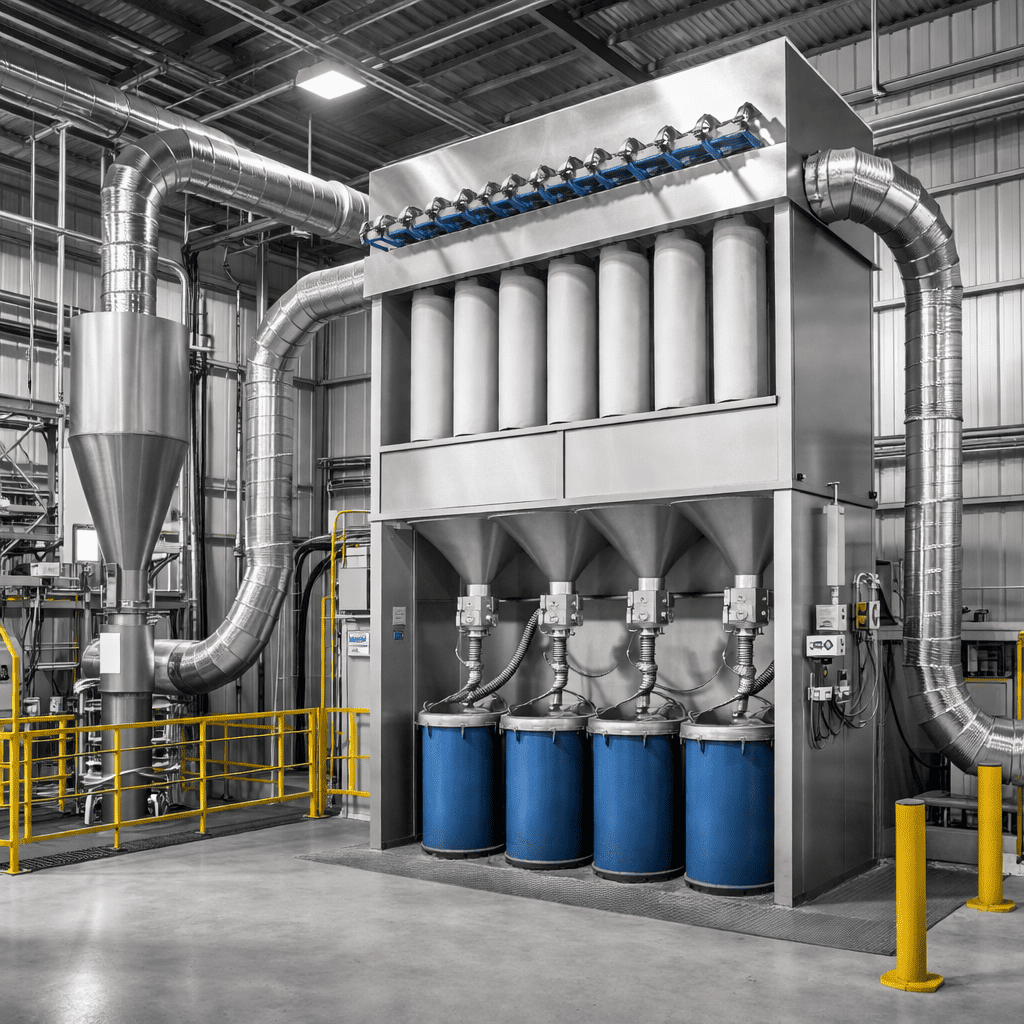
Dust Collection System
Cyclone plus pulse-jet bag filter systems for comprehensive dust management. Improves air quality, material recovery, and workplace safety.
- Fine chemical dust environments
- Combustible or hazardous dusts
Key Considerations for Chemical Powder Projects
Before recommending any equipment, Yinda evaluates these critical factors specific to chemical processing applications.
Corrosion Resistance
Contact material selection (SS304, SS316L, or specialty alloys) based on chemical compatibility to prevent contamination and equipment degradation.
Abrasion & Wear
Hardened or wear-resistant grinding components for abrasive chemical materials to extend service life and maintain particle size consistency.
Sealing & Containment
Proper sealing design prevents dust leakage, protects operators from hazardous chemical exposure, and maintains process integrity.
Cleaning & Changeover
Smooth internal surfaces, accessible inspection points, and minimal dead zones reduce cleaning time and cross-contamination risk between different chemical materials.
Tell Us About Your Chemical Material and Production Goals
We start with your material properties -- not a catalog. Share your chemical material name, target particle size, output requirements, and any safety considerations. Our engineering team will assess the right configuration for your application.
Submit your material details and processing requirements
Yinda engineers evaluate your material and recommend suitable equipment
Material testing available to validate performance before equipment selection
Receive a detailed technical proposal with equipment specifications and pricing